.webp)
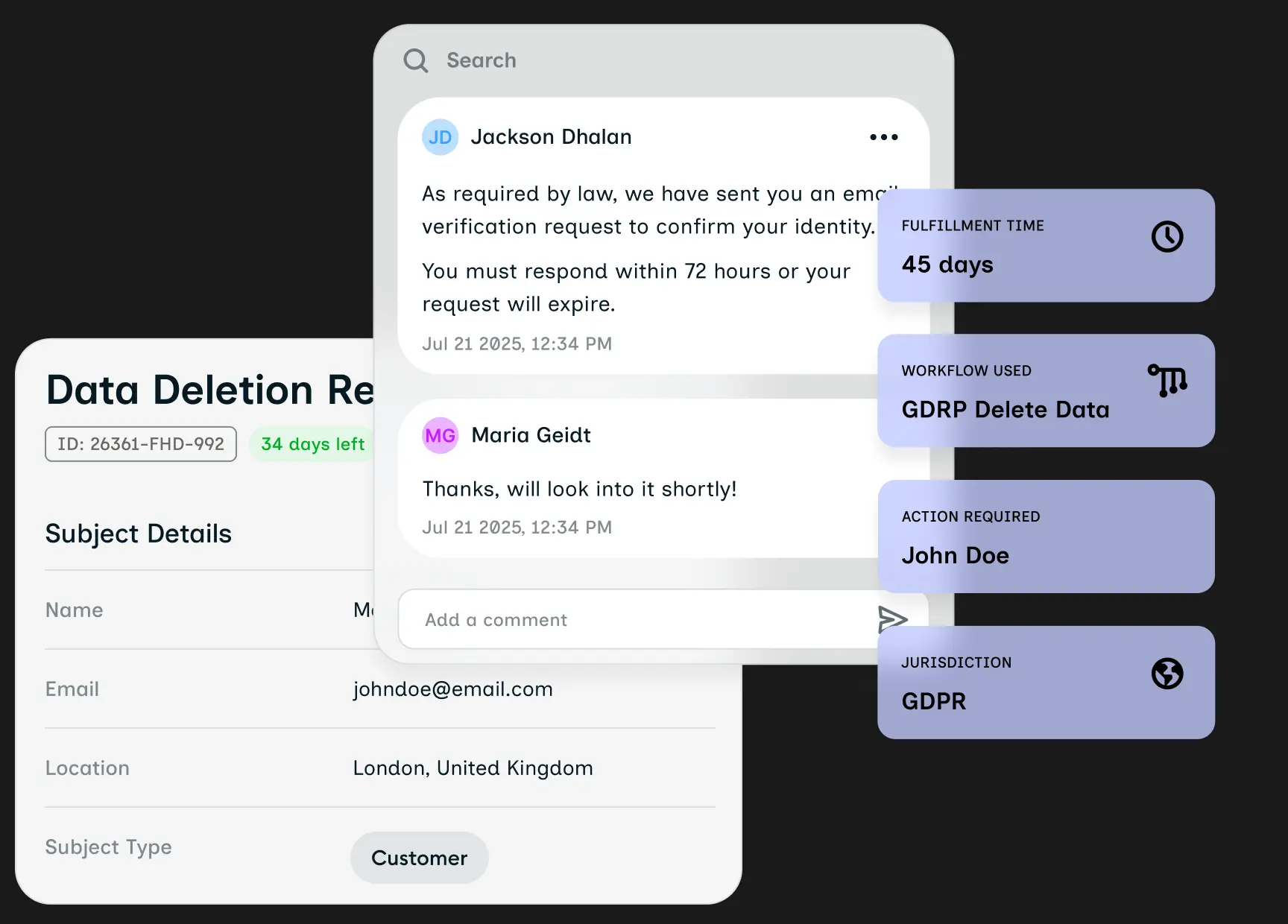


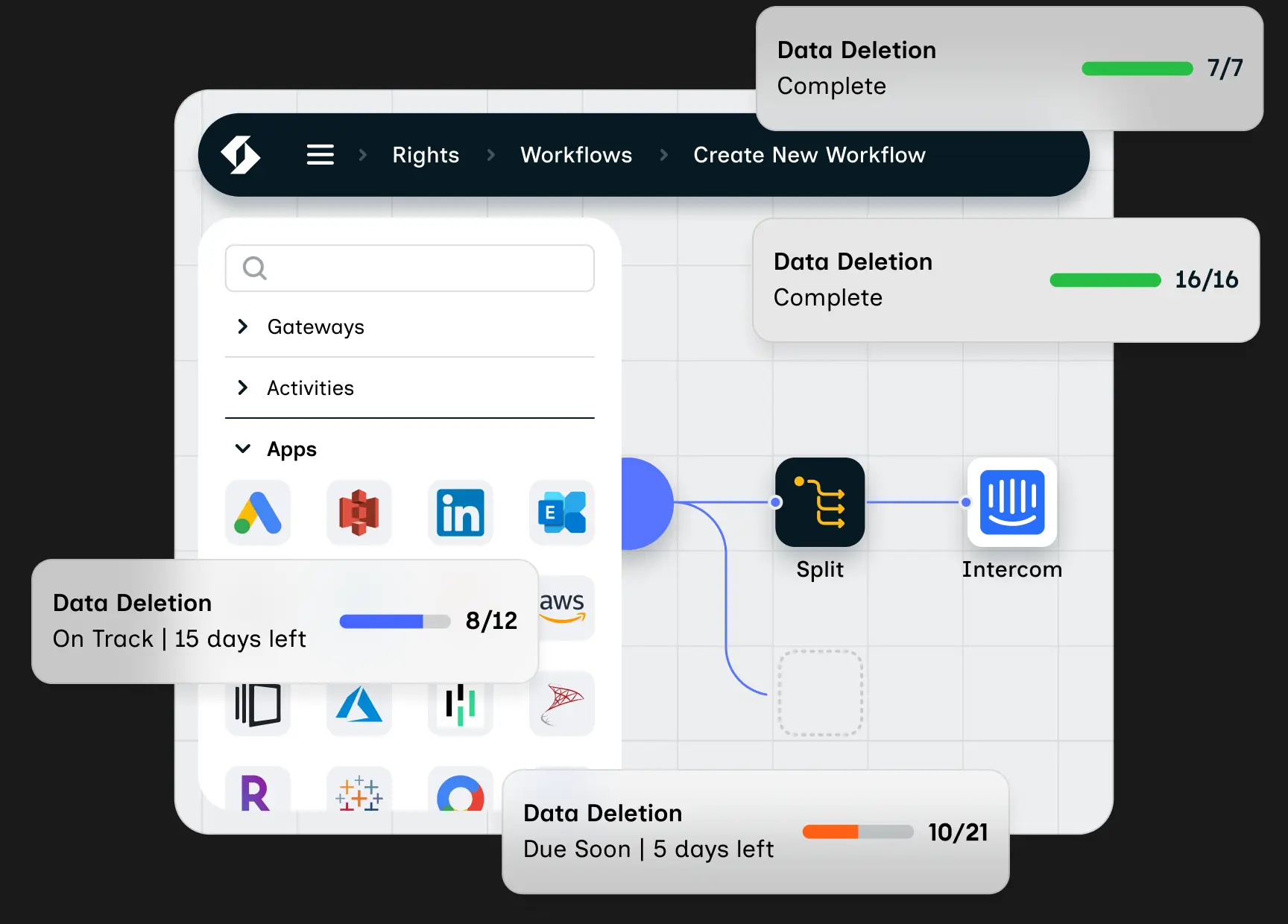
Ever since we started Ketch, we believe that this privacy problem is a fundamental data management problem. And one of the reasons for that is we came from a background of actual ad tech where we operationalize data all day long. And so with that in mind, when we built this product, we thought there were a few really, really important non negotiables. The first one is identity management. People use it in martech and ad tech all the time. The ability to recognize an individual behind the device that they're using, not just treat an individual as the device that they're using it. Now, this manifests itself in privacy as you look at settlements, and people are simply saying, well, it's insufficient for you to opt me out in my browser, but when I use your same application with my mobile device, that somehow doesn't carry over. You need identity management or identity synchronization to actually translate the choices people make to the identifiers that represent them regardless of how they're interacting with your brand. The second non negotiable is deep orchestration. This pageant that has gone on in privacy that suggests that just stopping data collection at the browser or in the app is sufficient when you're operationalizing any of these privacy rights. People seem to forget that data actually leaves the browser. Facebook ads. It goes into Marketo. It goes into your CRMs and your Redshift database that your engineers manage. What happens to the data there? You have no idea because nobody talks about this. You need deep orchestration to actually control the way that the data that has already left the browser or the app responds to these privacy choices. And you need some sort of deep orchestration to do that. And the last thing is auditability. And this is very, of course, near and dear to privacy. When people show up and ask you, hey, how do you actually effectuate a knock out a sale request? You have, you know, some way to be able to show that, and you can't just have it in a document. You need active, instant look back, total recall capabilities that will demonstrate not just the choice someone made, but how you captured it, the context in which they captured it, and what you did to effectuate it.